For one customer, the appeal of the wig’s color is offset by a cap that feels uncomfortable after several hours. For another wearer, the appeal of the natural-looking hairline comes with a drawback: twenty minutes of work on the lace each morning is more than they want. The unit is visually appealing, but a different buyer finds the density heavier than imagined once it is worn.
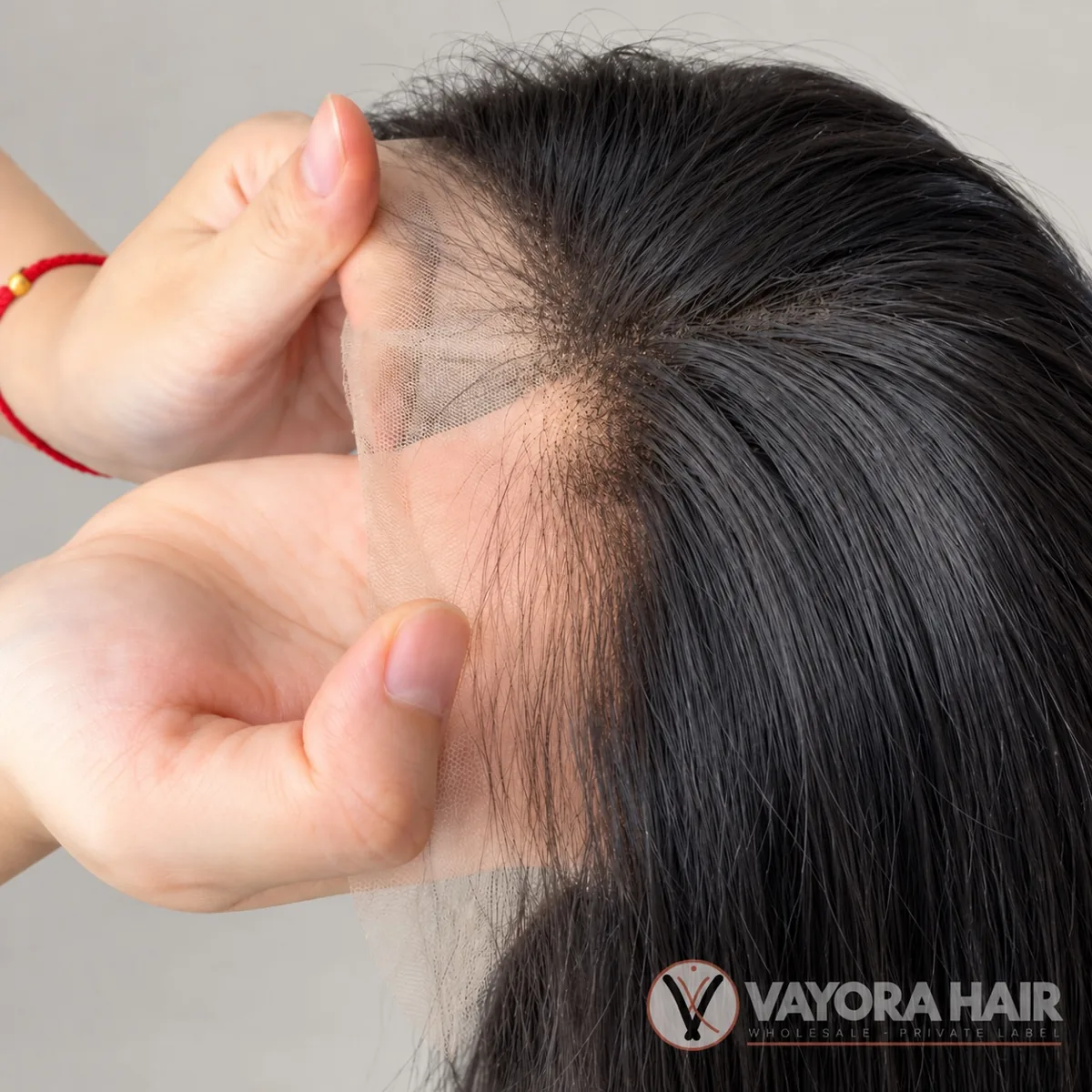
Image credit: vayorahair.com
A wig retailer developing its own products can view such responses as something beyond reviews. They point toward opportunities to create wigs customers actually enjoy wearing.
A successful range does not have to center on the latest viral hair trend. The foundation is a solid understanding of the experience of wearing a wig that buyers value.
Explore the Problems Behind the Purchase
A customer’s description of a problem is rarely expressed in technical production vocabulary. They talk about comfort, convenience, appearance, and confidence. A request for an easier morning routine might point toward a glueless construction. An unconvincing hairline may signal a problem with the appearance of the lace, the treatment of knots, density, or the way the part is designed.
Turning everyday customer concerns into measurable requirements is a capability to look for in a human hair wig manufacturer China brands choose.
A request for a 22-inch body-wave wig can go much further: buyers can specify how the wig should feel when worn, cap fit, lace construction, hairline appearance, and finished weight. Such detail provides the development team with a better-defined target.
Make Your Private Label Collection Recognizable
Rather than defining their own range, many emerging brands follow the styles that are popular today. The result may be a product lineup that looks very similar to those of competing stores.
Working with a private label wig manufacturer China retailers can collaborate with allows brands to develop a more consistent product identity. A brand could focus on lightweight daily-wear wigs, premium natural-hairline designs, or ready-to-wear styles for customers who want minimal preparation. Every choice, from length, texture, and color to density, cap construction, and packaging, should reflect the same promise to customers. When a range has a distinct identity, customers have a reason to return that goes beyond a short-term discount.
What to Consider in Glueless Wig Construction
Although the word “glueless” seems simple, the experience of wearing the wig depends on several design details. A secure, comfortable fit depends on cap sizing, adjustment features, attachment components, lace preparation, and hairline design.
A buyer working with a glueless wig manufacturer China brands select should expect help in defining these requirements prior to production. For a range intended for first-time wearers, the priorities may include density that is easy to manage, pre-cut lace, and straightforward adjustments. The customization needs for a professional stylist’s collection may be different. One approach is not inherently superior than the other. Each is intended for a different customer.
How Sampling Supports a Brand’s Reputation
A picture of a wig cannot reveal all the characteristics of the wig. A buyer should assess cap fit and hair movement, check the color against expectations, and examine whether the finished construction matches the approved design. Before a larger purchase is placed, sampling can help reveal discrepancies.
For a wholesale human hair wigs supplier, documented specifications and quality-control procedures are especially important when the same style must be produced repeatedly. Without clear references, a successful first batch may be difficult to reproduce consistently.
Build a Collection That Can Grow
For B2B wig brands, retailers, and distributors, VAYORA offers assistance with product development, private label services, sampling, specification control, and repeat-production workflows. The approach links customer expectations to the physical features that determine the wig’s appearance, fit, and feel.
Prior to expanding a product range, brands should review customer feedback, identify their strongest product opportunities, and set clear approval standards. A well-received future range might not depend on offering additional styles. It may require fewer compromises in the styles customers already want.