The landscape of modern farming is experiencing a major transformation due to advancements in technology that will increase efficiency and productivity. Agriculture drones are a game changer, particularly in the area of crop management. These drones, designed specifically for agricultural applications, offer farmers a way to reduce expenses for labor, increase precision when spraying and ultimately improve crop yields.
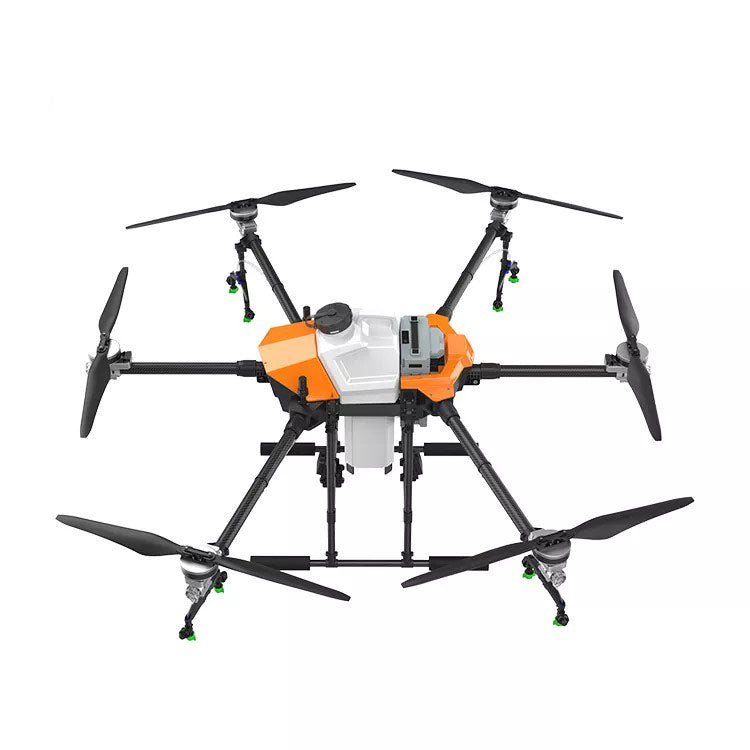
Drones in Agriculture The Rise of Drone Agriculture
Sprayer drones and agriculture drones are fast becoming crucial instruments in the farming. These drones have modern technology that allows them to perform a variety of tasks. This includes spraying fertilizers, pesticides and herbicides over vast areas of crops. Agriculture drones provide unparalleled precision. They apply the exact amount of product to the exact location needed. This means less consumption and has a lessening impact on the environmental.
Agriculture drones are particularly beneficial for large-scale farms. spraying manually can be labour-intensive and time-consuming. Drones are able of covering vast areas in a very short amount of time, which saves the farmer time as well as cost.
The 20L Drone: Precision and Efficiency
The 20L Agriculture Drone is a versatile and efficient drone for spraying designed to be used on farms with a crop area between 200 and 1,000 acres. The drone comes with tanks that have a capacity of 20 liters making it suitable for medium-sized farms which need to spray often but don’t require the size of a bigger drone.
One of the most important aspects of the 20L Agriculture Drone is its light weight design, which enhances mobility and ease of use. It also reduces strain on the drone’s power system. With its foldable arms, it is easy to transport and set up the drone on the field. This can be useful to farmers who have to move quickly between fields on their property.
The 20L Agriculture Drone features a medicine container and battery system that are easy to remove, allowing quicker refilling. The drone’s quick-release medicine box and battery system ensure minimal interruptions, which allow farmers to have a predictable schedule of spraying. It is also fitted with FPV and Radar cameras that provide real-time feedback that improves the precision and accuracy of spraying. These cameras will be of great benefit to users who are just beginning their journey as they offer improved control and monitoring capabilities.
The 30L Drone for Large Farms Power and Capacity
The 30L Agriculture Drone is a great solution for large-scale agriculture operations. The 30L tank of the drone that sprays lets it cover more area and can carry more payload when compared to the 20-liter model. The bigger tank means there will be fewer refills and the drone will complete more tasks in less time.
The 30L Agriculture Drone has a lightweight and strong frame, which decreases the dead weight while remaining strong and resistance to impact. The construction of the drone will ensure the drone will withstand large-scale farming operations. Its durability is a crucial element. Similar to the 20L version it is also available in the 30L Agriculture Drone also features an arm that folds and plugs into a fuel tank system. This makes it mobile and easy to use.
One of the standout features of the 30L Agriculture Drone is its ability to operate in various modes, including fully autonomous flight. This capability allows the drone to execute pre-programmed flights, ensuring consistent and precise spraying across large fields. Farmers who are responsible for multiple tasks will find the auto mode particularly useful, as they can let the drone complete its tasks without supervision.
The impact of Sprayer Drones on Modern Farming
Agriculture drones have made a huge impact on agriculture particularly the 20L and 30L model. Through automation of the spraying process they have drastically reduced the need for manual labor, thus lowering operational costs. They have also enhanced crop management through better precision, leading to more healthy plants and better yields.
In addition to their economic benefits, agricultural drones also help with sustainable development of the environment. Sprayer drones reduce the use of pesticides, fertilizers, and other chemicals utilized around the globe.
Conclusion
The future of farming is drones in agriculture such as 30L and 20L sprayer drones. With their cutting-edge capabilities, efficiency, versatility and other features drones are able to help farmers tackle the challenges in modern agriculture. Whether managing a medium-sized farm or an extensive operation, investing in an agriculture drone could result in significant improvements in efficiency, cost savings, and environmental protection. Drones in agriculture will play an growing role as technology evolves.