Water-soluble films represent an exciting development in the changing industry of packaging. They provide the possibility of being eco-friendly and useful. These films, manufactured with advanced polyvinyl alcohol (PVA) technology They are not only flexible but also sustainable making them an ideal option for all manufacturers. The leading water-soluble film producers and suppliers set new standards for sustainable packaging.
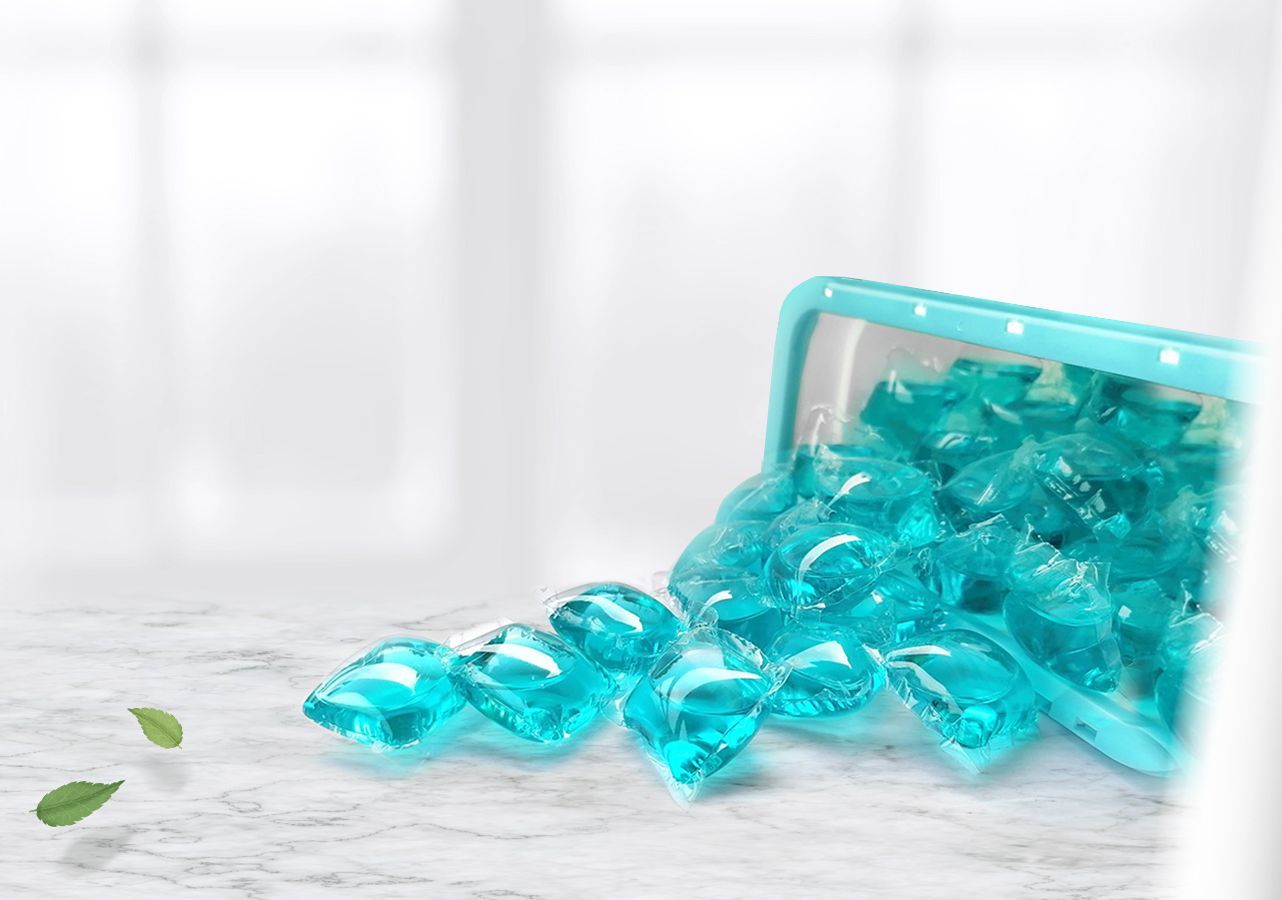
Image credit: watersolubleplastics.com
What is Water-Soluble Filaments (WSF)?
The films dissolve in water completely, leaving no leftovers. The films are made of PVA and possess unique characteristics, such as superior compressive strength, high transparency, and a firm seal. These films are employed to create powdered and liquid capsules. Accuracy and reliability are crucial to their manufacturing.
Leading manufacturers of water-soluble films have improved their manufacturing processes to make films that are able to cater to different needs. Type GX, for example, is widely recognized for its versatility in its cavity designs, which can accommodate both multi-chamber and mono-chamber capsules. The water-soluble film is a favorite in industries such as agriculture consumer goods, and pharmaceuticals since it can be customized to any scenario.
What’s the purpose of water-soluble films in the present packaging?
Water soluble film suppliers play a crucial role in bridging the gap between innovative manufacturing and end-user requirements. By providing customized solutions, they can ensure that businesses are able to integrate the films seamlessly into their manufacturing processes.
Suppliers play an important part in promoting the water-soluble film for their environmental advantages. In emerging and developed markets, such as China, these films are getting more and more popular as the global focus shifts towards sustainability. The fact that they can dissolve in water, without affecting the environment, positions water-soluble films as a viable alternative to plastic packaging.
Innovative Technologies in Water-Soluble Film Manufacturing
The manufacturing of films that are water-soluble has seen significant changes over time, due to technological advancements. In the past, PVA was dissolved in water, then coated on molds using a moist process. While this method was effective, it however, was costly and power-intensive.
Nowadays, water-soluble film makers are taking advantage of dry methods, where thermoplastic processing converts PVA to film. This method has several advantages.
Dry Method: This method requires less energy and is therefore more economical.
High Efficiency: Companies can satisfy the growing demands for goods without any compromise on quality by increasing production rates.
Broad application: Films made using the dry technique are flexible and are able to be applied to many industries.
Economic Benefits: Lower costs for production translate into more affordable options for businesses and consumers.
These breakthroughs have turned water-soluble films into a promising novel material for packaging. They’re in line with efforts around the world to minimize environmental impacts.
Water-Soluble Films: Application
Water-soluble films are used in a myriad of applications, which highlights their versatility
Pharmaceuticals:
Water-soluble capsules ensure precise dosage and safe medication delivery. Their dissolvability guarantees optimal performance and ease of use.
Agriculture:
Water-soluble films are a great option to protect pesticides and fertilisers to allow a controlled release of chemicals and reducing the risk of environmental contamination.
Consumer Goods
Water-soluble films are often used to pack detergents for laundry and cleaning products and offers convenience as well as sustainability.
Industrial Applications
The films can also be used for temporary protection in the textile and construction industries.
Water-soluble Films Provide Environmental Benefits
The environmental benefits of water-soluble films are among the primary reasons for why they’ve gained so much popularity. These films dissolve completely in water and leave no trace, unlike conventional plastics. This feature reduces the amount of waste that goes to landfills, while also reducing the impact of pollution.
The modern water-soluble film makers also make use of eco-friendly production techniques. By using energy-efficient techniques, they further enhance the environmental sustainability of these films.
Why Choose the GX Type? GX Water-Soluble Films?
Type GX water-soluble films stand out in the market for their remarkable quality and versatility. Certified for use in modern drum machines like Cloud, GSP (USA), and eme-engel (Netherlands), these films deliver reliable performance across diverse applications.
The superior transparency of Type GX and its elongated sealing properties makes it ideal for capsules. Their strength of compression also assures long-lasting durability. Type GX, a leading solution from water soluble film suppliers, is the perfect combination of sustainability and functionality.
Conclusion
The demand for environmentally friendly packaging solutions is on the rise and water soluble film are leading the charge in this transformation. They’re set to become the standard in modern packaging for all industries due to their versatility, efficiency and environmental advantages.
In collaborating with water-soluble film producers and suppliers, businesses can go green without sacrificing performance or quality. Water-soluble film is an excellent illustration of how technology could be integrated with environmental awareness as we move towards a more sustainable future.