Septic tanks are a vital element of the wastewater management process in properties that aren’t connected municipal sewer networks. Concrete and precast are two most popular options property owners can choose from when choosing a septic tank. Both come with distinct considerations and benefits. In understanding the differences homeowners can make an informed choice to ensure a sustainable disposal of wastewater.
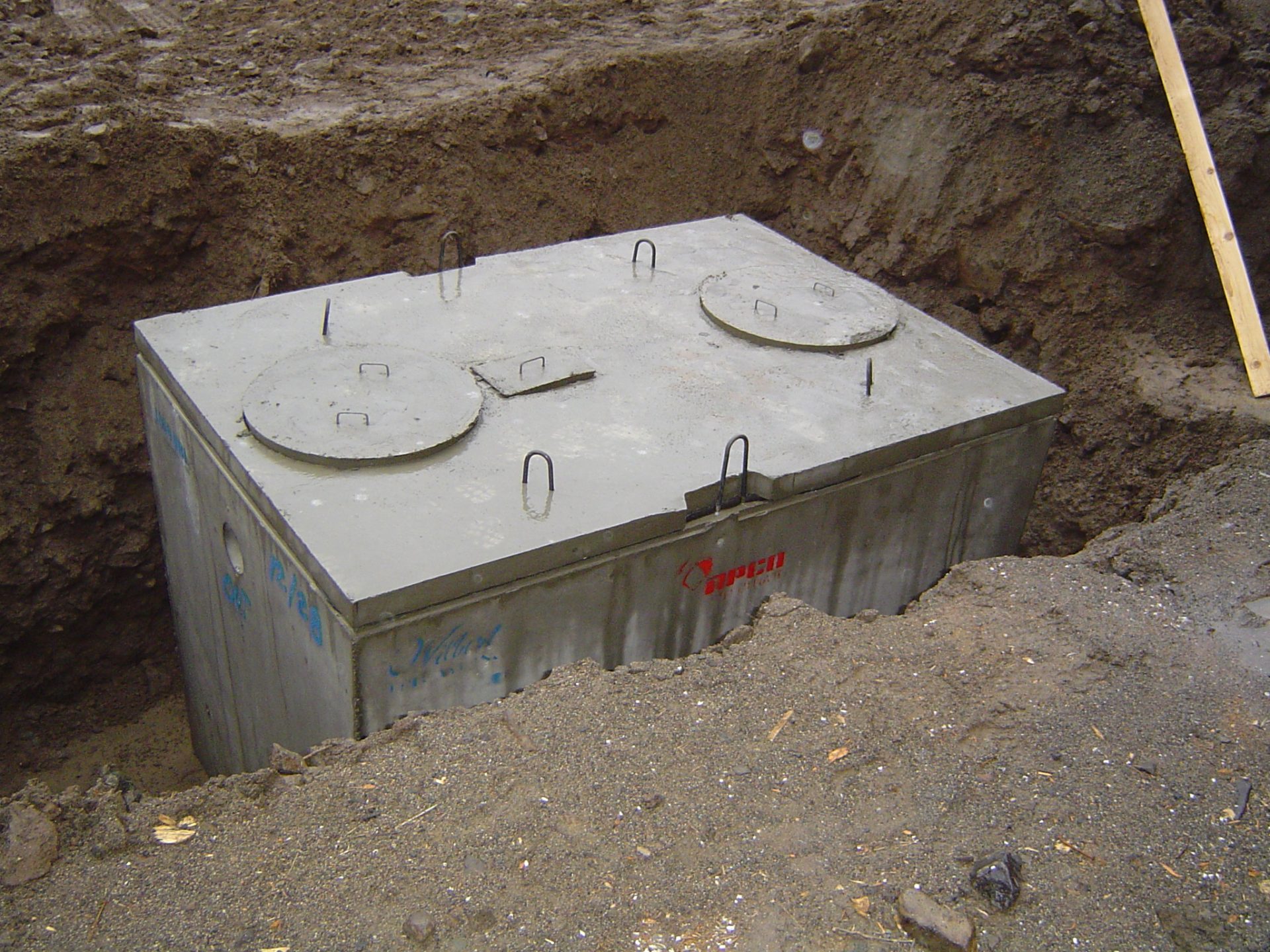
Septic tanks, also referred to as underground chambers, are used to collect processes, distributes, and collect wastewater from commercial and residential properties. Septic tanks are an important component of the wastewater treatment process. They provide safe discharge of effluent while safeguarding the public and the environment.
Which septic tank is the best for You? Precast or Concrete?
Concrete septic tanks have long been a favorite choice because of their durability and endurance. Concrete septic tanks, which are built on-site with cement poured, are well-known for their durability and strength. Concrete tanks can be labor-intensive to install and can take a considerable amount of time.
Precast septic systems are constructed on-site, and then delivered to the property ready to be put in place. The tanks are constructed in controlled areas to ensure the same quality and the structural integrity. Precast can offer advantages such as faster installation and lower labor costs.
If property owners are considering an upgrade or replacement of their existing septic tank, precast options provide a number of benefits. Precast tanks can be assured that they will meet strict standard of quality because of the manufacturing process that is controlled. Additionally, the efficient installation process ensures minimal disturbance on the property and speeds up overall project durations. For more information, click Septic tanks for sale near me
How do you maintain your concrete septic tanks to ensure long-term durability
While concrete septic tanks are popular for their durability, the proper maintenance is vital to ensure their long-term durability. Regular inspections and pumping are crucial to avoid problems like blockages or structural damage. The owner of the property should pay attention to the chemicals and materials used in the septic system to protect the system from damage.
Environmental considerations are taken into account in the design of a precast septic tanks. They are constructed using sustainable techniques that help reduce the amount of energy and waste. The longevity and durability of the precast tank contributes to a reduced environmental impact throughout their lifetime.
Before deciding on septic tank installation, homeowners must consider their needs and the characteristics of their home. The decision between precast or concrete tanks will be affected by factors such as the soil type, the size of your property, and local rules. Speak with experts to make informed decisions about your unique requirements.
The Role of Septic Tanks in Sustainable Wastewater Management
Septic tanks be a significant element in the efficient treatment of wastewater. They’re a wonderful solution to dispose of or treat household effluent. Septic tanks that are correctly maintained contribute to protecting surface and groundwater, as well as preserving local ecosystems.
It is vital to choose the appropriate size septic system to avoid over-stressing the system, and ensure a successful wastewater treatment. The size of your home along with the water consumption and the number of inhabitants should be considered when selecting the tank size. It is crucial to select the correct size for wastewater treatment.
The advanced manufacturing processes employed in the manufacture of precast septic tanks provide quality, durable solutions for effective wastewater treatment. These tanks comply with industry standards and provide property owners a secure and low-maintenance option for their treatment of wastewater.
Regular maintenance is essential to ensure optimal performance and durability of tanks for septic. The maintenance schedules recommended by experts should be adhered to by owners of properties, which includes inspection, pumping and monitoring the system. By making maintenance a priority, homeowners will avoid costly repairs and ensure the continued functioning of their septic system.
The design of the septic tank is an essential element of a the sustainable management of waste. The system should be designed according to the specific requirements of the property regardless of whether it’s precast or concrete. It is also essential to ensure that wastewater is properly treated and properly disposed. Expert design and installation can assist homeowners in creating solid septic systems that are durable and efficient.
The Environmental and Economic Impact of upgrading to a Precast Septic Tank System
The move to a precast system of septic tanks will be beneficial for the environment as well as property owner’s finances. Precast tanks help reduce the costs of installation as well as time, which will help property owners save money. In addition the environmental benefits of precast tanks help to sustain water management practices.
It is crucial to remember that choosing the best septic tank that is suitable for your property is a crucial choice. If they choose concrete or precast, property owners must consider the durability of the system, its efficiency, long-term maintenance, and the environmental impact. Property owners can make informed decisions to ensure their septic tanks will continue to be functional and sustainable for many years.
Precast Septic Tanks: A Modern Solution For Efficient Wastewater Treatment
Septic tanks are a vital element of the wastewater management process in properties that aren’t connected municipal sewer networks. Concrete and precast are two most popular options property owners can choose from when choosing a septic tank. Both come with distinct considerations and benefits. In understanding the differences homeowners can make an informed choice to ensure a sustainable disposal of wastewater.
Septic tanks, also referred to as underground chambers, are used to collect processes, distributes, and collect wastewater from commercial and residential properties. Septic tanks are an important component of the wastewater treatment process. They provide safe discharge of effluent while safeguarding the public and the environment.
Which septic tank is the best for You? Precast or Concrete?
Concrete septic tanks have long been a favorite choice because of their durability and endurance. Concrete septic tanks, which are built on-site with cement poured, are well-known for their durability and strength. Concrete tanks can be labor-intensive to install and can take a considerable amount of time.
Precast septic systems are constructed on-site, and then delivered to the property ready to be put in place. The tanks are constructed in controlled areas to ensure the same quality and the structural integrity. Precast can offer advantages such as faster installation and lower labor costs.
If property owners are considering an upgrade or replacement of their existing septic tank, precast options provide a number of benefits. Precast tanks can be assured that they will meet strict standard of quality because of the manufacturing process that is controlled. Additionally, the efficient installation process ensures minimal disturbance on the property and speeds up overall project durations. For more information, click Septic tanks for sale near me
How do you maintain your concrete septic tanks to ensure long-term durability
While concrete septic tanks are popular for their durability, the proper maintenance is vital to ensure their long-term durability. Regular inspections and pumping are crucial to avoid problems like blockages or structural damage. The owner of the property should pay attention to the chemicals and materials used in the septic system to protect the system from damage.
Environmental considerations are taken into account in the design of a precast septic tanks. They are constructed using sustainable techniques that help reduce the amount of energy and waste. The longevity and durability of the precast tank contributes to a reduced environmental impact throughout their lifetime.
Before deciding on septic tank installation, homeowners must consider their needs and the characteristics of their home. The decision between precast or concrete tanks will be affected by factors such as the soil type, the size of your property, and local rules. Speak with experts to make informed decisions about your unique requirements.
The Role of Septic Tanks in Sustainable Wastewater Management
Septic tanks be a significant element in the efficient treatment of wastewater. They’re a wonderful solution to dispose of or treat household effluent. Septic tanks that are correctly maintained contribute to protecting surface and groundwater, as well as preserving local ecosystems.
It is vital to choose the appropriate size septic system to avoid over-stressing the system, and ensure a successful wastewater treatment. The size of your home along with the water consumption and the number of inhabitants should be considered when selecting the tank size. It is crucial to select the correct size for wastewater treatment.
The advanced manufacturing processes employed in the manufacture of precast septic tanks provide quality, durable solutions for effective wastewater treatment. These tanks comply with industry standards and provide property owners a secure and low-maintenance option for their treatment of wastewater.
Regular maintenance is essential to ensure optimal performance and durability of tanks for septic. The maintenance schedules recommended by experts should be adhered to by owners of properties, which includes inspection, pumping and monitoring the system. By making maintenance a priority, homeowners will avoid costly repairs and ensure the continued functioning of their septic system.
The design of the septic tank is an essential element of a the sustainable management of waste. The system should be designed according to the specific requirements of the property regardless of whether it’s precast or concrete. It is also essential to ensure that wastewater is properly treated and properly disposed. Expert design and installation can assist homeowners in creating solid septic systems that are durable and efficient.
The Environmental and Economic Impact of upgrading to a Precast Septic Tank System
The move to a precast system of septic tanks will be beneficial for the environment as well as property owner’s finances. Precast tanks help reduce the costs of installation as well as time, which will help property owners save money. In addition the environmental benefits of precast tanks help to sustain water management practices.
It is crucial to remember that choosing the best septic tank that is suitable for your property is a crucial choice. If they choose concrete or precast, property owners must consider the durability of the system, its efficiency, long-term maintenance, and the environmental impact. Property owners can make informed decisions to ensure their septic tanks will continue to be functional and sustainable for many years.
Recent Post
Microsoft Office Licenses Explained: Pricing, Features, And Activation
Fire Watch Services That Keep Projects Moving When Fire Systems Fail
What Players Notice First When Playing Golden Dragon For The Long Term
24/7 Fire Watch Coverage: Why Live Dispatch Matters When Every Minute Counts
The Hidden Engineering Behind Booster Pump Stations For Reliable Potable Water Pressure
The Quiet Comfort Dogs Return To Every Single Day
Show Time
Topic
Related Post
Microsoft Office Licenses Explained: Pricing, Features, And Activation
Fire Watch Services That Keep Projects Moving When Fire Systems Fail
What Players Notice First When Playing Golden Dragon For The Long Term