In today’s fast-paced business, effective communication is the key to being a successful business. No matter if employees are working at a distance, on site, or using a hybrid model, seamless interaction is essential to guarantee productivity and engagement. This is where business communication software can play a crucial role. Businesses that invest in internal communications software not only reduce workplace stress, but also help to create a culture of transparency, collaboration, and inclusivity.
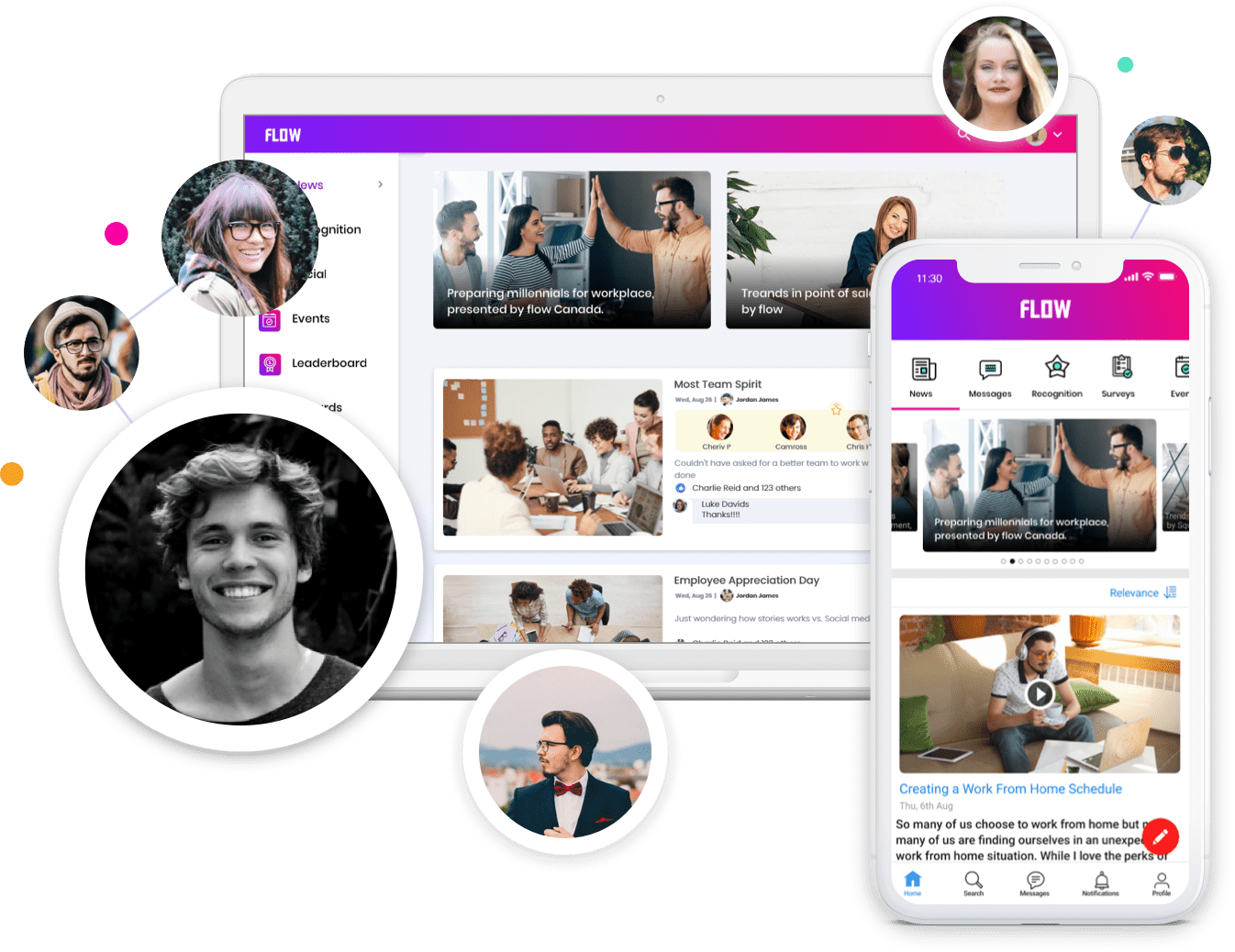
Image credit: hubengage.com
If your organization is still relying on outdated emails, disconnected chat apps, or fragmented communication channels, it may be time to explore modern internal communication platforms that can streamline conversations and align your workforce.
Why businesses need advanced internal communication tools
Bulletin boards and email are no longer the main ways to communicate with employees. Companies today operate in a world of instant communication and live collaboration. Without the right internal communications tools, organizations are susceptible to miscommunication loss of engagement, as well as decreased efficiency.
1. Improved Engagement of Employees
In the modern workplace engaging employees and motivated is a big issue. Internal communication software that is organized and well designed ensures all employees regardless of where they are, feel valued and included. Features like:
Real-time announcements.
Feedback polls are interactive feedback forms.
Employee Recognition Programs
Mobile-friendly communication platforms.
Assisting companies in creating the feeling of belonging among their employees can result in greater productivity and satisfaction at work.
2. Eliminating Workplace Misunderstanding and Enhancing the clarity of work
When employees don’t receive clear communication, misunderstandings happen. This can result in late deadlines and redundant work. Additionally, it can cause frustration. Business communication software can help:
Centralized information sharing Employees have access to documents, updates and other resources from one central location.
Tools to track projects and tasks. – Everyone knows what their role is and what they’re expected to do.
Clearer workflows – Eliminates the bottlenecks that hinder projects and ensures they run easily.
When companies implement organized platforms for internal communication, they find that employees have more confidence and productivity.
3. Transparency and Strengthening the Company the Culture
A healthy corporate culture is based on trust and open communication. Employees who are aware of the company’s objectives, updates and updates are more likely stay involved.
Modern communication tools have options like:
Video messages for leadership Direct communication between employees and employees.
Town halls, Q&A meetings for employees, promoting two-way communication.
Recognition and appreciation programs Recognizing employees for their dedication to work.
In fostering an dialog that is honest and transparent, businesses can reduce employee turnover and create a loyal workforce.
4. Supporting Remote & Hybrid Work Models
The traditional methods of communication are not sufficient anymore as companies increasingly adopt hybrid and remote work setups. Teams require instant access to conversations or meetings, as well as files regardless of which location they work from.
Cloud-based internal communications software lets you:
Uninterrupted collaboration across time zones.
Document sharing is made simple, as well as editing in real-time.
Virtual meetings can be held with video conferencing.
Apps for mobile communications.
Companies that use internal communication systems designed for remote teams enjoy higher productivity and greater collaboration as compared to those still relying on old communication techniques.
5. Improvements to Crisis Management & Business Continuity
Emergencies can strike at any moment, whether they pose an attack on cybersecurity or disruptions to the market or a reorganization of your company. A solid tool for communicating with business ensures employees get immediate updates, safety guidelines, and other necessary instructions during a time of crisis.
Modern communication tools for internal use provide:
Receive push notifications instantly when important alerts are issued
Automated message workflows to guide staff through the chaos
Centralized knowledge bases that include emergency protocols
A well-prepared business can minimize disruption, maintain productivity, and make sure employees are informed at any time an unexpected event occurs.
The Future of Internal Communication Software
The expectations for software for business communications are changing with the advancement of technology. AI-powered platforms for communication give companies advantage through automation of repetitive tasks as well as analysis of employee engagement data and personalization strategies for communication.
Some of the latest trends include
AI chatbots will provide immediate support for employees
Analysis of sentiment to assess workplace morale.
Dashboards with interactive analytics in real-time. of communications.
Using intuitive, smart software to manage internal communications companies can build more cohesive teams, and improve their overall effectiveness.
Final Thoughts on Choosing the Right Internal Communication Platform
Improve your internal communication system If your business is struggling with disengaged workers, miscommunications or unconnected workflows. The right software for business communications does more than help teams stay connected, it also transforms workplaces into a place for collaboration, transparency and engagement.
For companies that wish to compete, keep the top employees and cultivate a vibrant workplace environment, investing in cutting-edge internal communication software is necessary.
Looking for the best internal communications platforms for your company? Start by exploring solutions that offer real-time messaging, mobile accessibility, leadership engagement, and centralized information sharing, since good communication is the key to success.